
PAINT THE PUEBLO
An Invitation to the Vitalic Edge
Location: The Southern Zone, Central America Mission: Work-Trade Restoration & Local Economic Alchemy
The Call: We are seeking artists, muralists, and gardeners to join us at the "end of the world" to beautify a marginalized Tico-Indigenous village and tend the marrow of the Foundling Fortune Bird Sanctuary.
THE ALCHEMY OF THE MARGIN
Why We Paint the Pueblo
I. Beyond the Enclosure
Western civilization has spent two thousand years perfecting the "Enclosure". It is a system that moves truth from the bird to the creed and wealth from the village to the warehouse. In the urban supply chains of the north, we have become "subject-lambs," waiting for worth and sustenance to be dispensed through authorized channels.
But at the "end of the world," where the road dissolves into the jungle and the volcanic soil of the Samnite ancestors meets the tropical heat, the Enclosure is thin. Here, in this marginalized Tico-Indigenous pueblo, life still operates on the frequency of Presence. This is not a place of "scarcity," despite what the global ledger says; it is a place of un-extracted vitality.
II. The Artist as Guardian
In our forensic audit of the masculine, we identified the "Redaction of the Trophic Man"—the moment the Guardian was turned into a resource for the engine. Paint the Pueblo is an invitation to reclaim the Guardian role through the act of beauty.
When an artist enters a marginalized space not to "fix" it, but to beautify it, they are performing an act of "Ecological Alchemy." By painting the walls of the pueblo and tending the gardens of the sanctuary, you are:
Interrupting Extraction: Turning your labor into a gift that stays within the soil of the village rather than flowing back into the machine.
Restoring the Trophic Cascade: Much like the wolf’s return to the forest, the artist’s return to the village changes the "behavior" of the space. Beauty invites attention; attention invites investment; investment creates a local "Green" that is resilient and un-yoked from the global "Blue".
III. The Work-Trade: A Reciprocal Grace
We refuse the "One-Directional Grace" of the Roman Annona, which creates permanent indebtedness. Instead, we practice the ancient, circulatory charis—a gift that creates mutual obligation and relationship.
As a work-trade artist, you will lend your hands to the sanctuary—tending the birds and the chinampas that rise above the stagnant runoff—and in return, you will be held by the land and the community. You will help us paint the story of the "Vitalic Remnant" onto the very walls of the village, creating a visual feedback loop that says: This place is sacred. This place is guarded. This place is alive.
IV. The Coordinate for the Exit
This is the "Terminus"—the sacred boundary where expansion must stop and restoration must begin. We are building a "Foundling Fortune" for those who have been "exposed" by the machine and are ready to claim a new lineage.
If you are tired of being a "seed-picker" in the marketplace of the Port Cities, come to the jungle. Bring your brushes. Bring your grit. Help us turn the "Toxic Bloom" of the past into the "Vitalic Green" of a future that remembers the birds.
The walls are waiting. The gardens are breathing. Join the New Wild Order.
Of the country’s 943 avian species, over 600 are permanent residents and seven are only found in the wild spaces still found in there. Costa Rica’s indigenous reserves and national parks are the final frontier for many birds that used to have a much larger range. As other Central, North and South American countries have caused declines of many bird species due to habitat loss, deforestation, agrochemicals, structural impact and the pet trade, Costa Rica provides refuge to species which are now considered to be “endemic.”
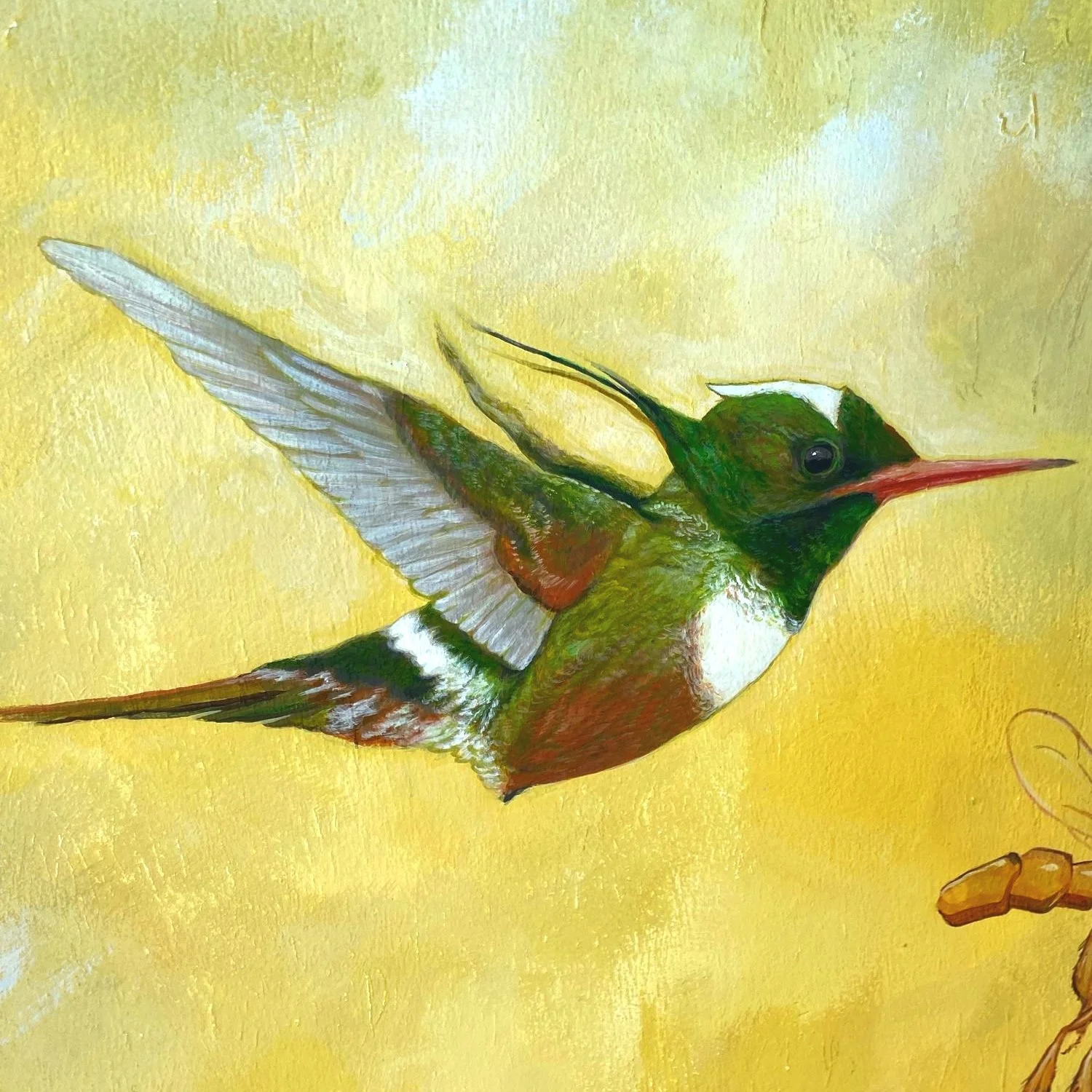
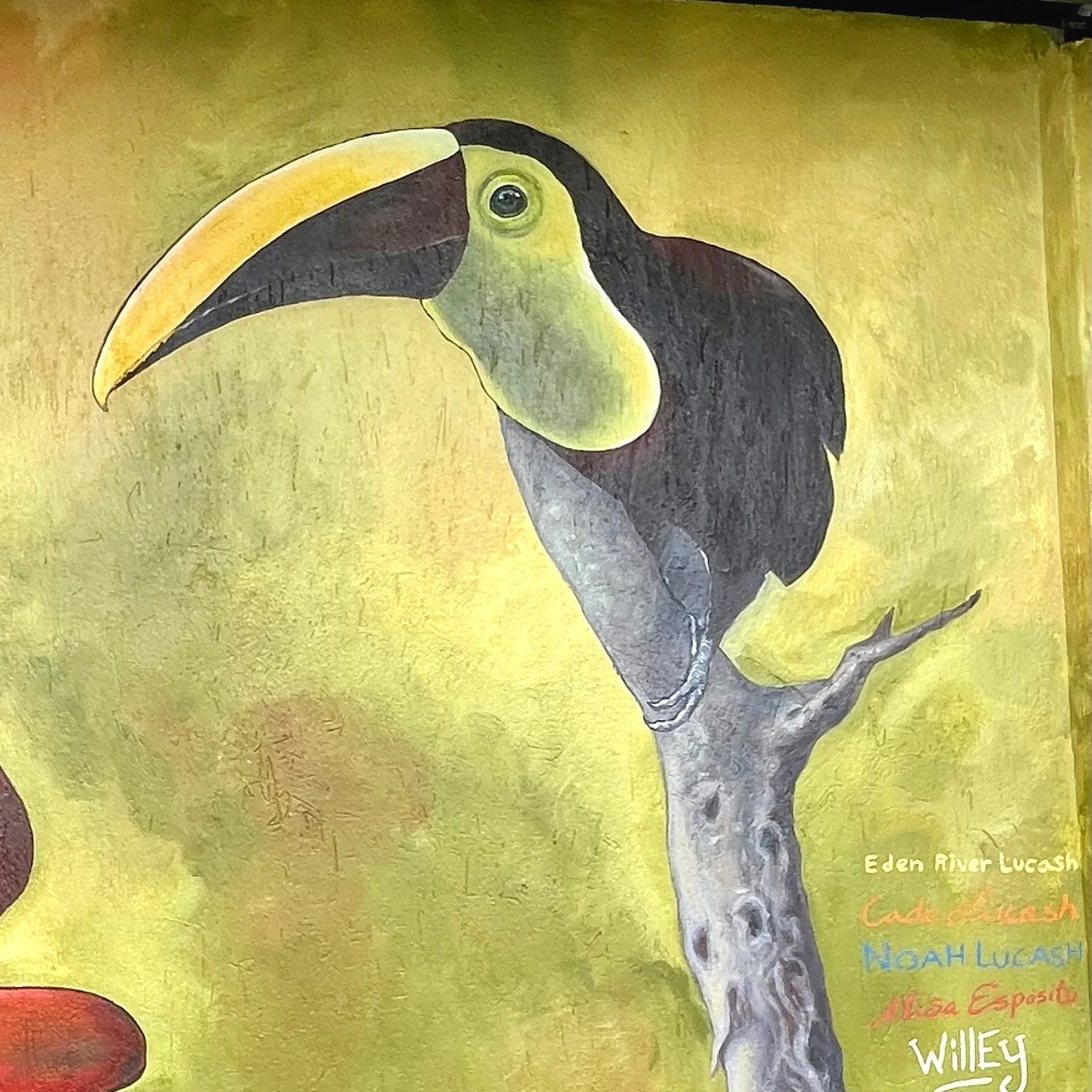
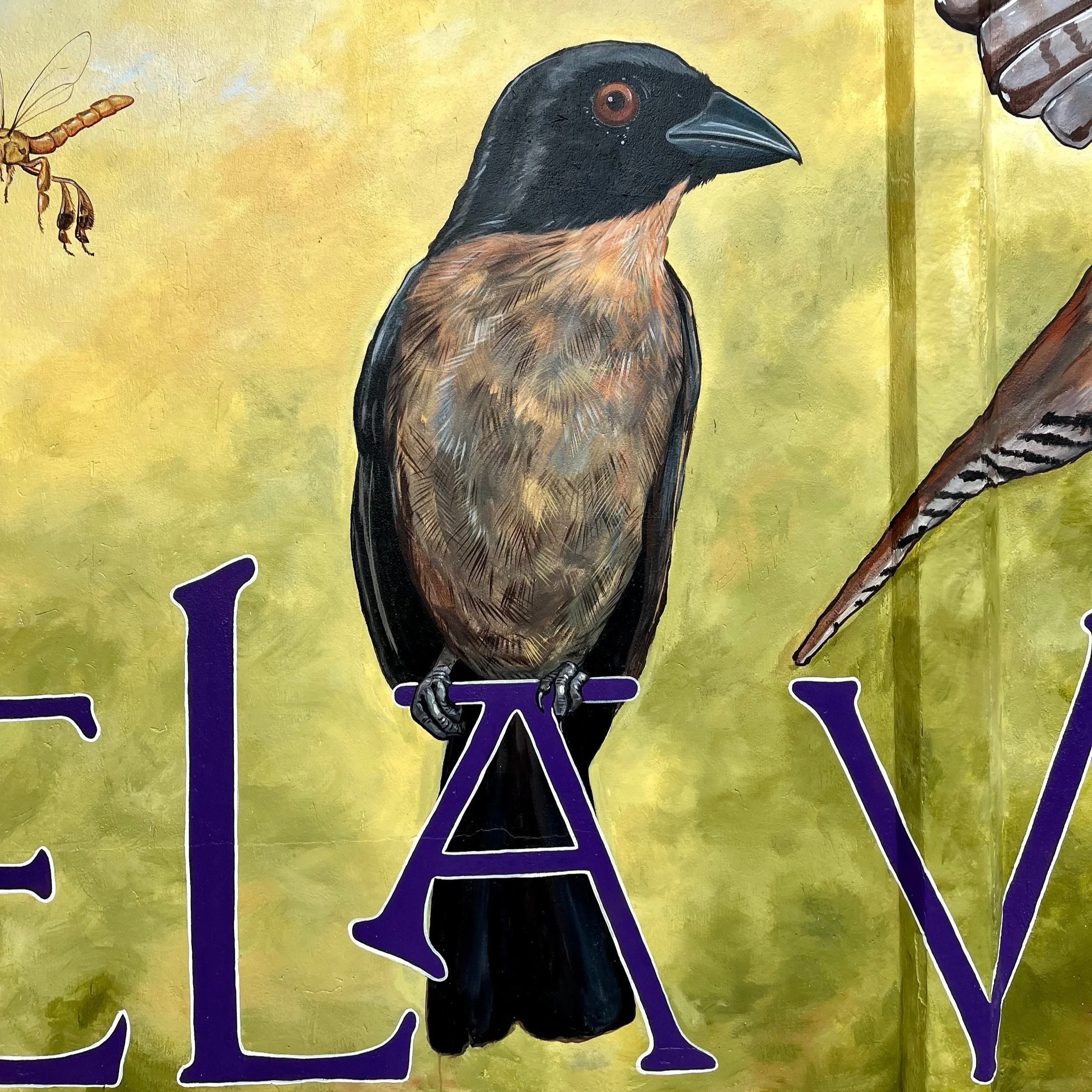
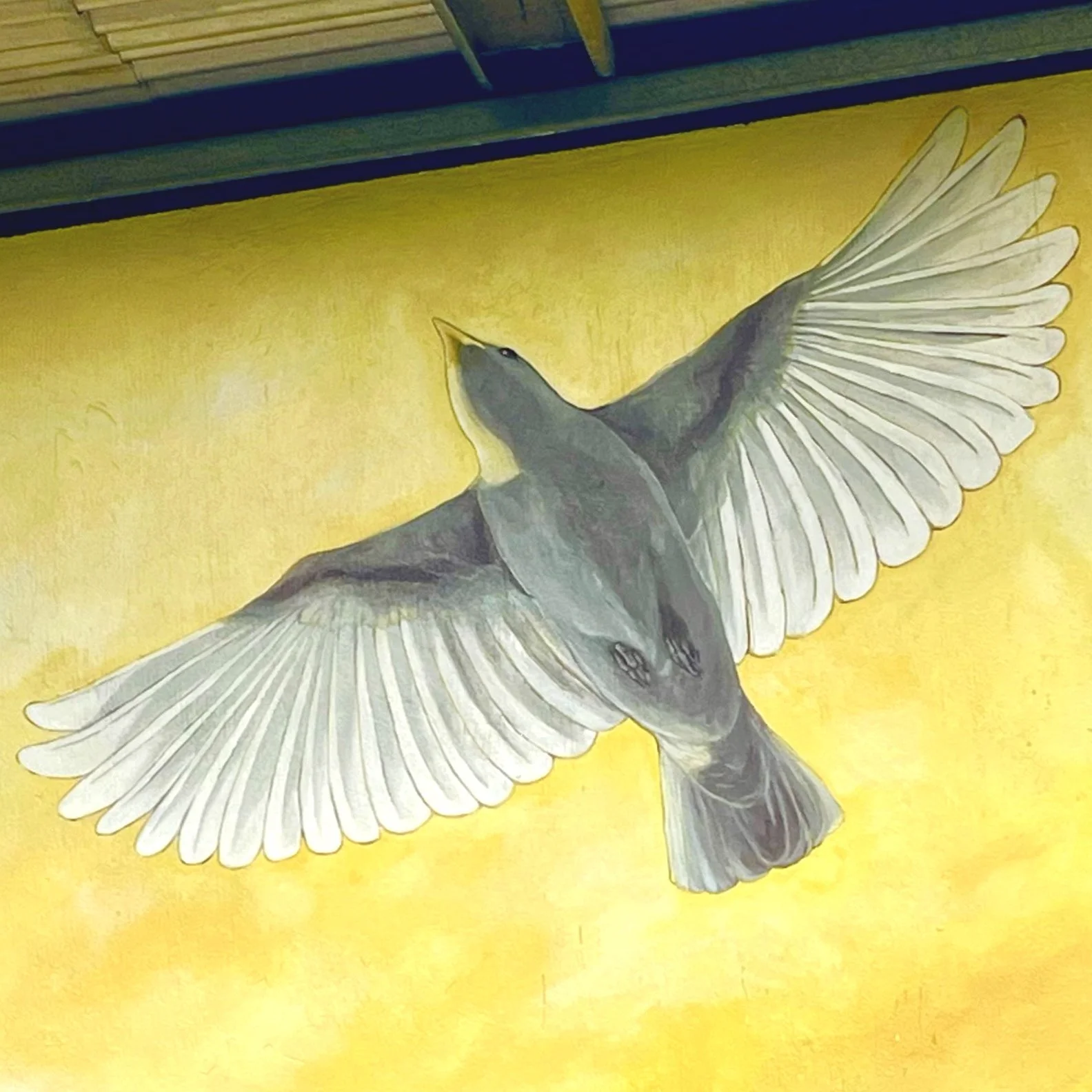
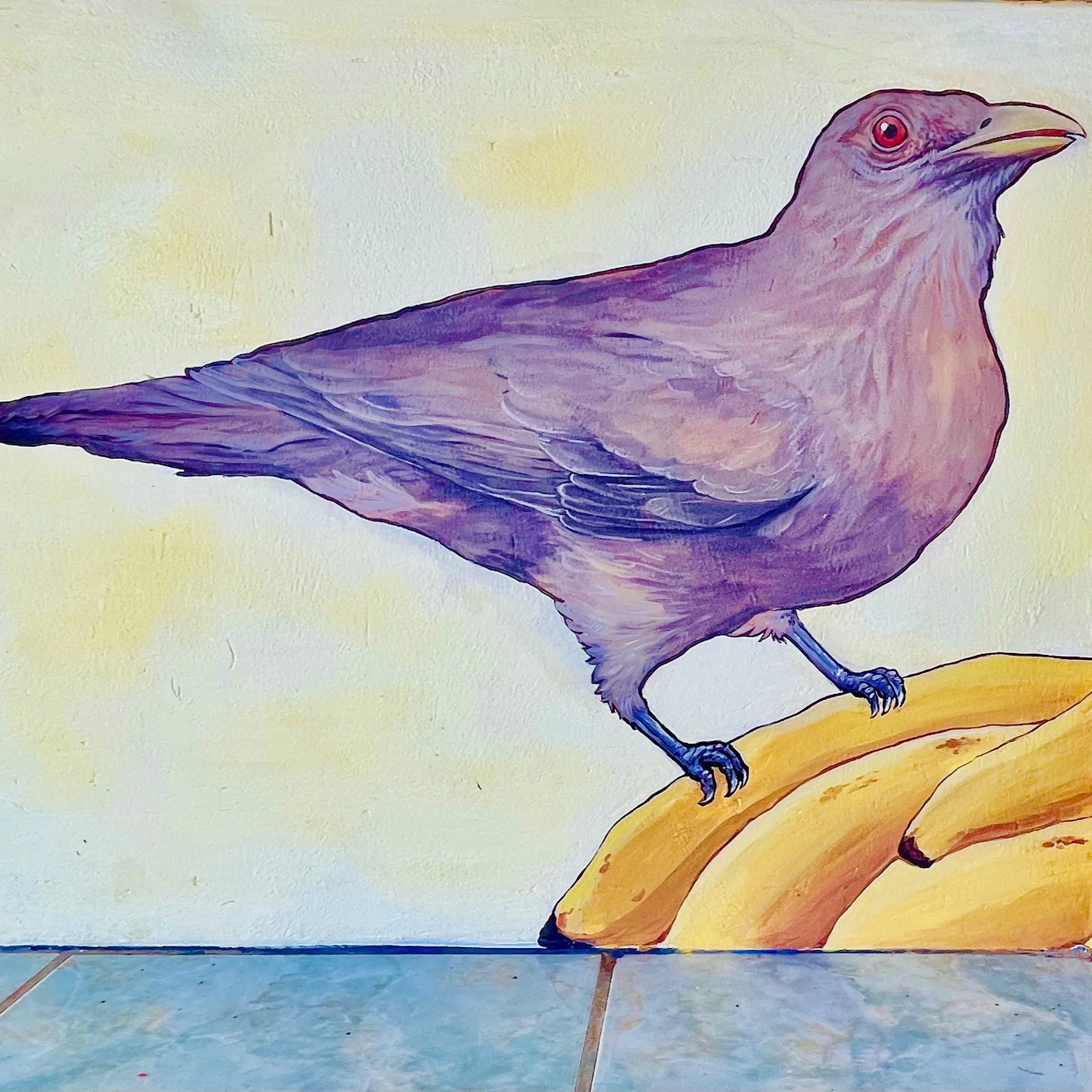
Through the reversal of deforestation, and promotion of conservation, a few bird species harbored here alone in this last refuge Costa Rica offers them. These are the birds Sparkroot Wild features in our murals, as a celebration of not only the beauty of the birds, but of the country that offers them a restored and protected home. We offer gratitude to the ticos and indigenous residents of this land who care about them and their continued survival.

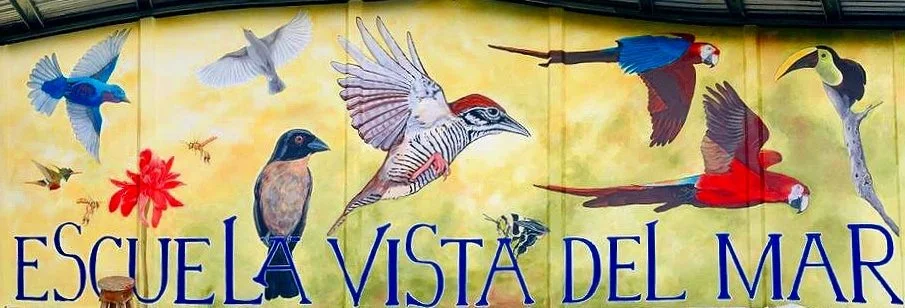
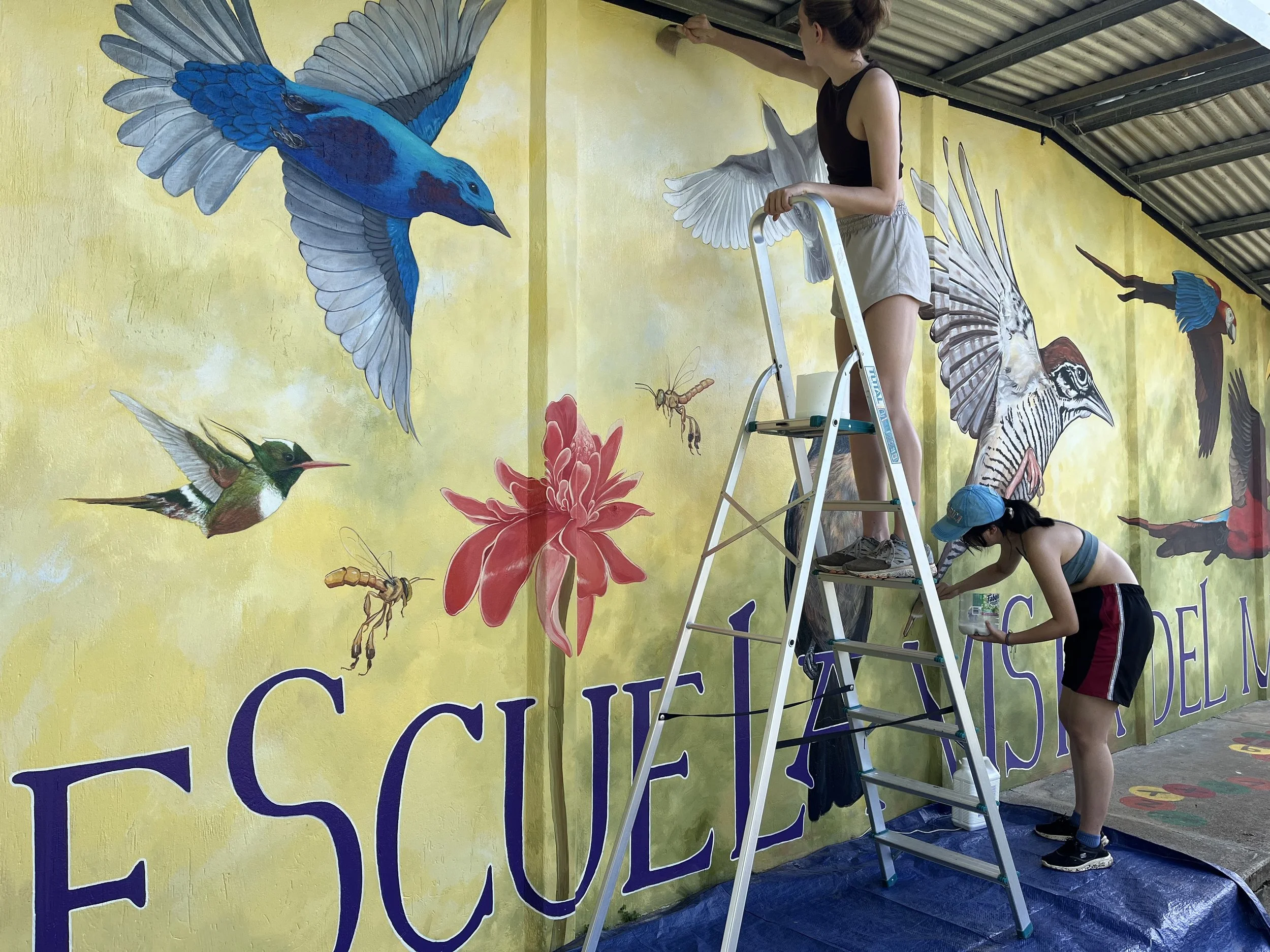
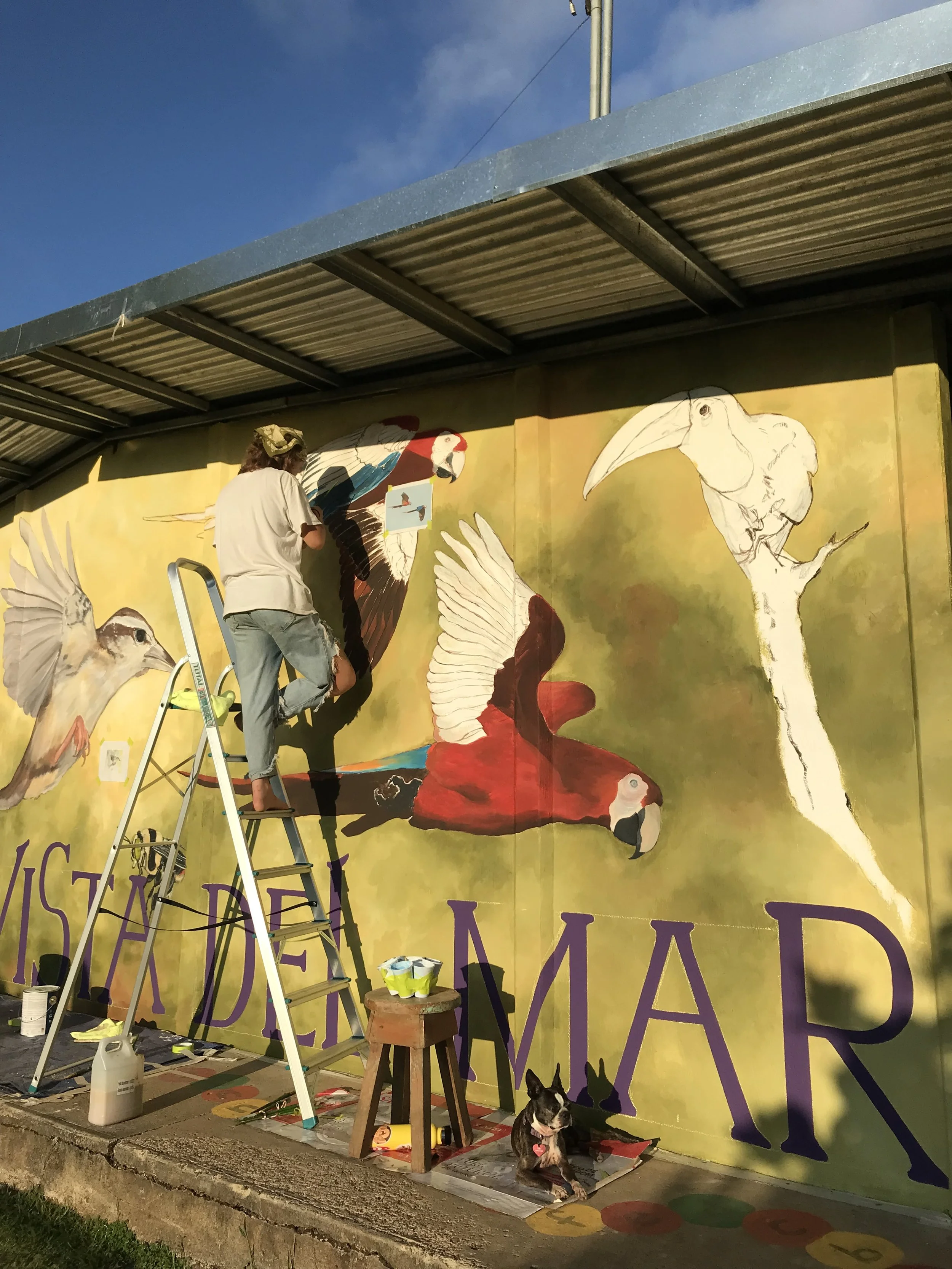
Thanks to The Good of the Hive for painting our first mural at the Escuela Vista Mar!
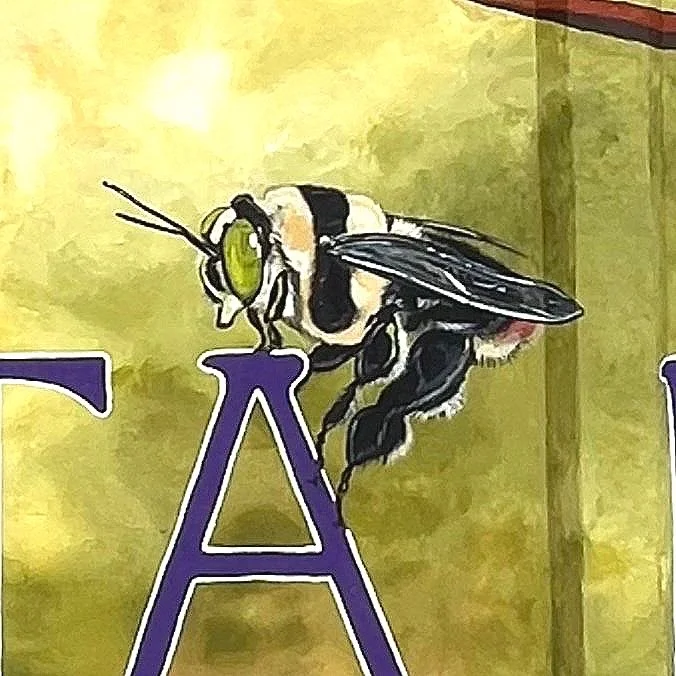
International mural artist Matt Willey of The Good of the Hive generously gifted his time and talent to create this mural, while the Sparkroot Wild team joined in the painting. Our first Vista Mar mural will join a series of global murals with the mission to “inspire radical curiosity and active engagement around planetary health issues through art, bees and storytelling.” Sparkroot Wild and Good of the Hive made a wonderful synergy as we share a common vision of a “world filled with people that see and experience the beauty and connectedness of all things.”
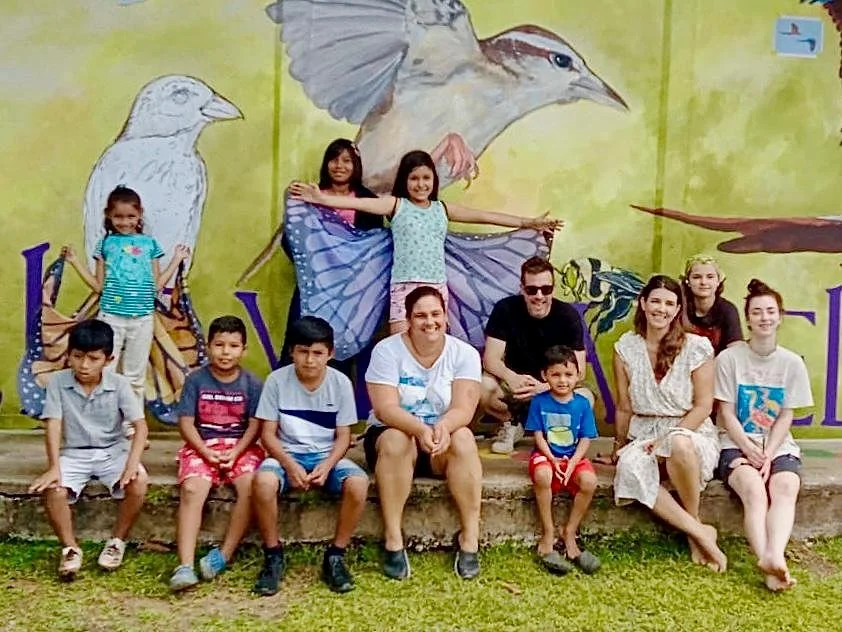
Matt is also a filmmaker who’s creating a feature length documentary exploring the intersection of art, community, nature, storytelling, and what it means to be a healthy and whole human community in this modern world. We are grateful and honored to have our mural - and our story - included in what is sure to be a beautiful and compelling film (release estimate 2025). His time here with us - and his mission to paint 50,000 bees all around the world! - inspired our desire to paint endemic, endangered and culturally important birds all around Ngabe territory. We truly are all connected, making beauty, making art, serving life and paying it forward. Gracias al Hacedor de Vida y la communidad!
Meet the Birds at the Vista Mar School
-
![]()
White-crested Coquette (Colibri coqueta crestiblanca) STATUS: LEAST CONCERN/ENDEMIC
-
![]()
Yellow-throated Toucan (Tucan pico castano). STATUS: NEAR THREATENED
-
![]()
Black-cheeked Ant Tanager (Tangara hormiguero carinegra) STATUS: ENDEMIC & ENDANGERED
-
![]()
Yellow-billed Cotinga (Cotinga picuiamarillo) STATUS: ENDEMIC & ENDANGERED
-
![]()
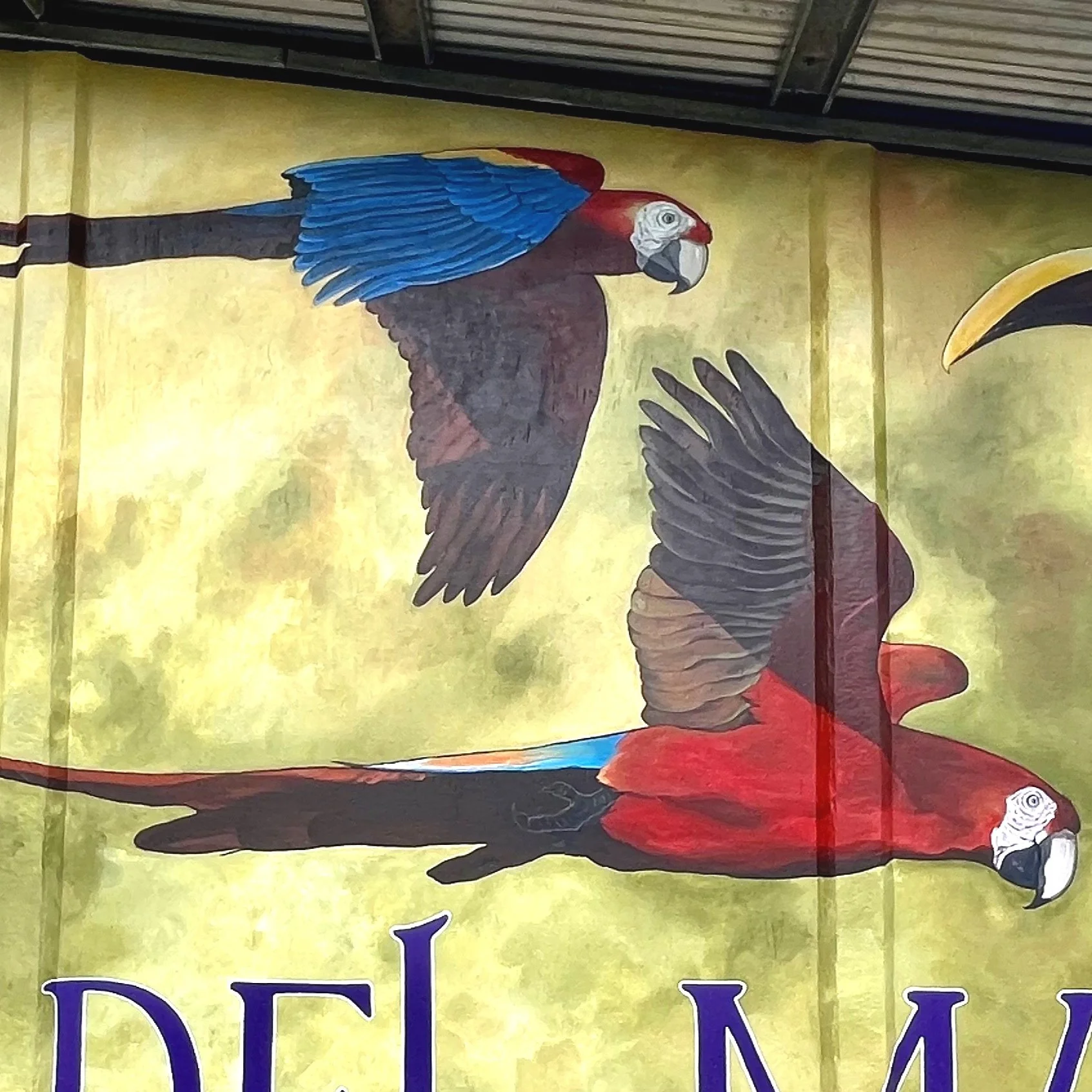
Scarlet Macaw (Lapa Roja) STATUS: NEAR THREATENED BUT REBOUNDING DUE TO REINTRODUCTION EFFORTS IN COSTA RICA.
-
![]()
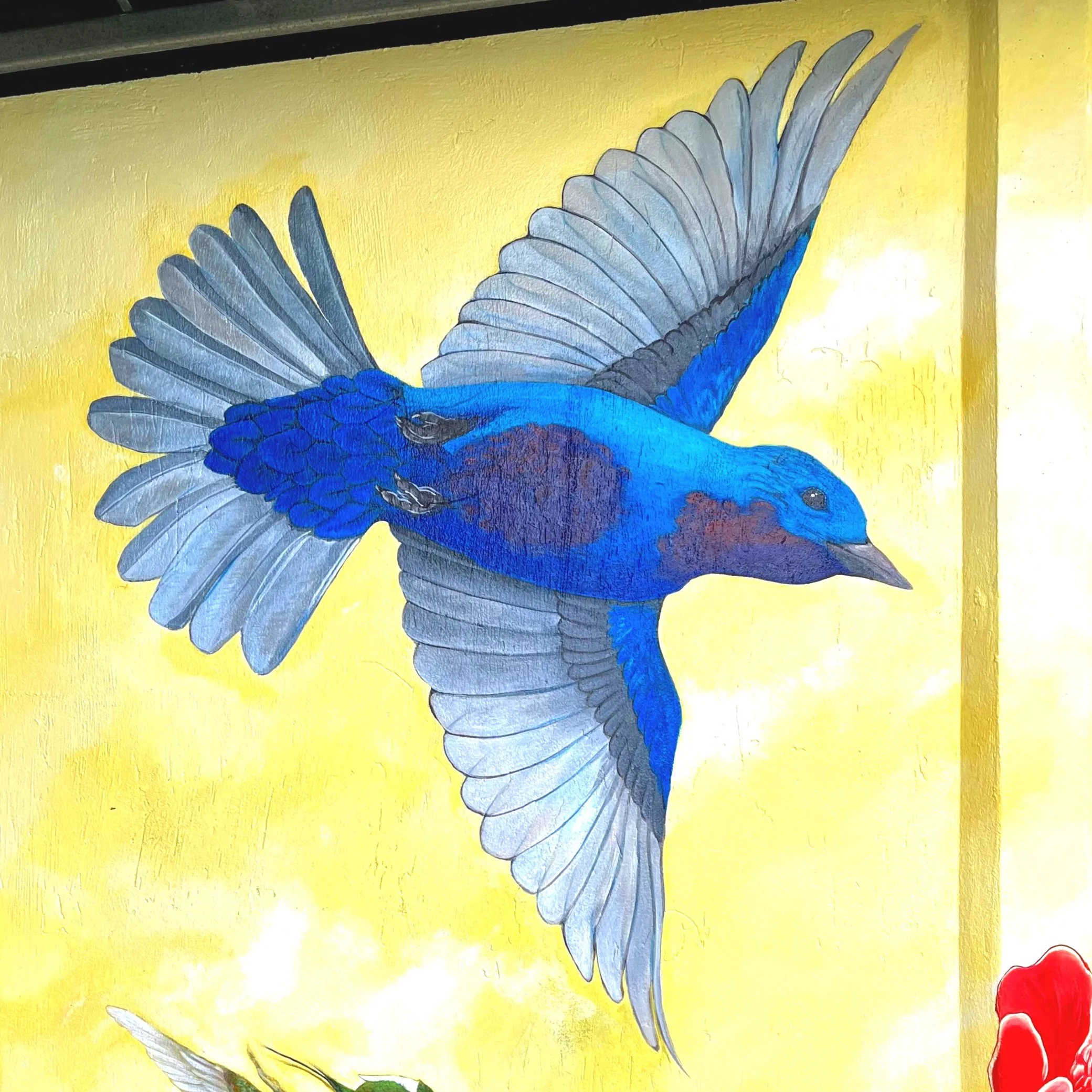
Turquoise Cotinga (Cotinga turquesa) STATUS: ENDEMIC & VULVERABLE DUE TO DEFORESTATION
-
![]()
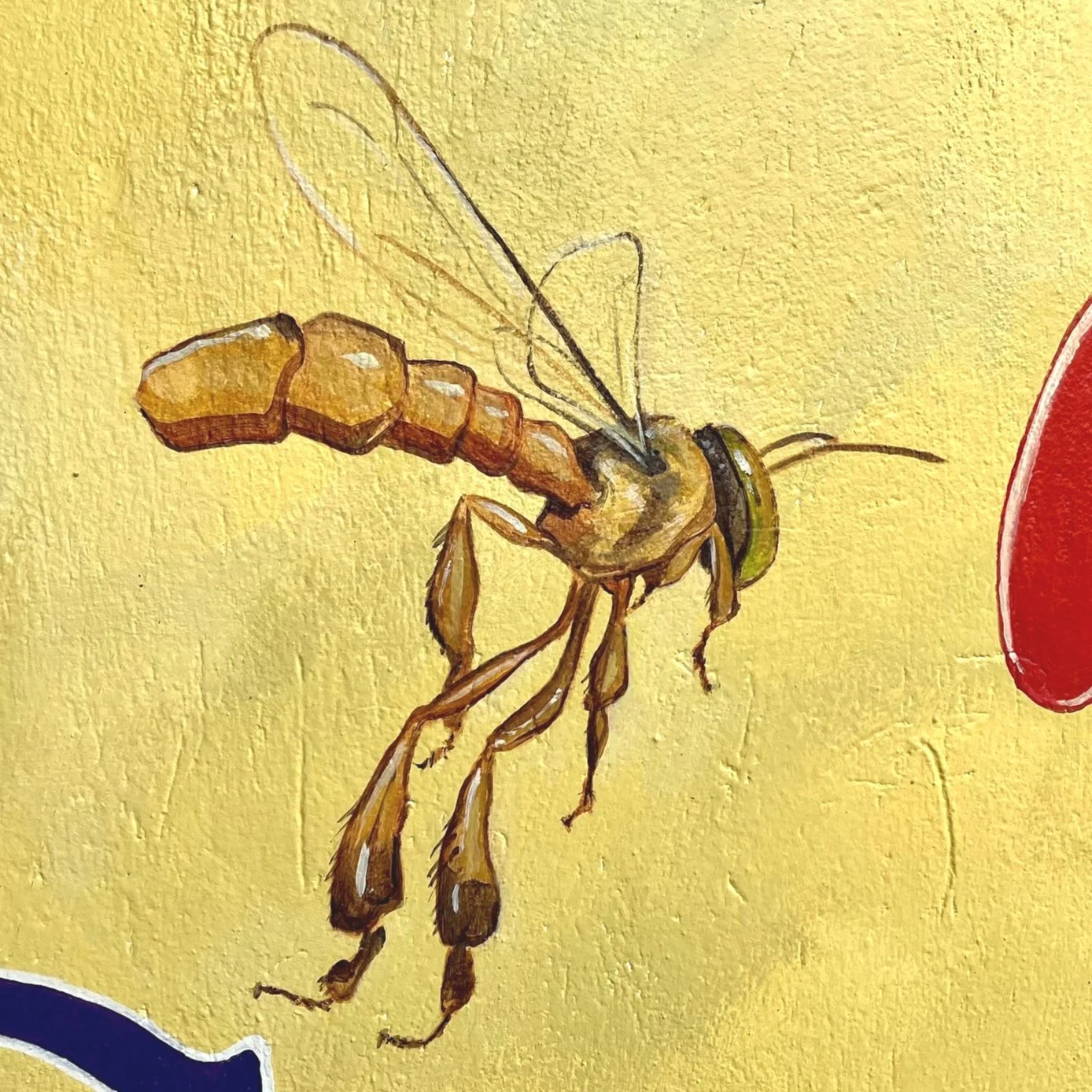
Stingless Bees (Trigona fulviventris)
-
![]()
Stingless bee (Centris flavifrons)
-
![]()
Clay-colored Thrush (Yiguerro) STATUS: NATIONAL BIRD OF COSTA RICA (for it's most beautiful song) LEAST CONCERN
“The question is whether any civilization can wage relentless war on life without destroying itself, and without losing the right to be called civilized.”
― Rachel Carson