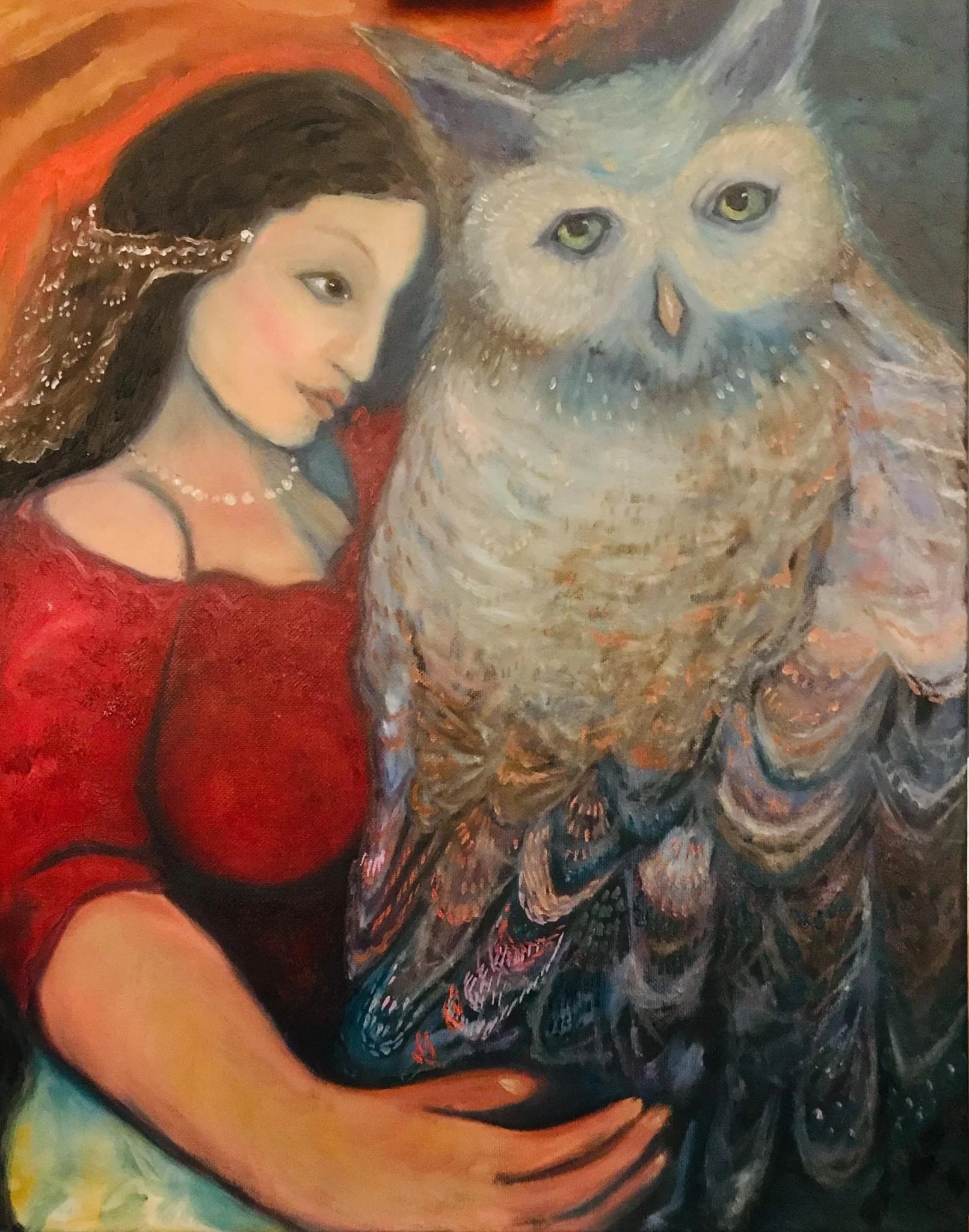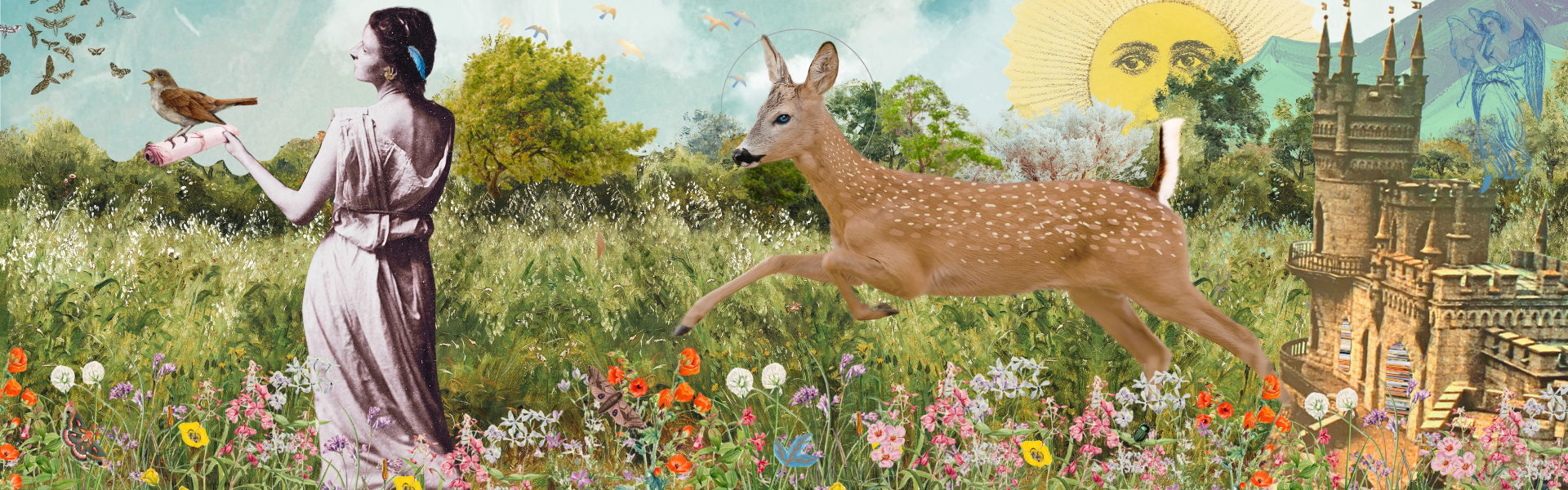
Wondering Penelope is a nod to the old Greek story.
Finding herself alone while her husband warred and wandered the world in search of home, Penelope protects her house from the dark age desperations of glory-hungry men. By her cunning, she fields her way through the ruins of post collapse Homeric masculinity, denying the false rulers and madnesses of her time, while protecting what remained of an inheritance for her son.
With a wide-lens, a delving of the depths, and a fine brush, I study the Western psyche like Penelope watched over the devastated ecology of the dark age oikos, and the collapse-psychologies of the men of her moment. As forebears of Hellenistic men (our primary masculine blueprint), Greek dark age masculinity is a frequent focal subject of my research, as importers of civilization’s most prevalent imaginal forms and figures, and assumptions about the essential condition of men, the feminine, and nature.
By weaving together ecology and cultural anthropology, animal behavior and religion, history, etymology, and art, this project culminates a life of fairytale magic tempered by harrowing ordeal, and the daily struggle of rebuilding a life across shifting ground that refuses to stabilize. At the heart of all this, out beyond the acute grief of the graveside is a wife’s psychic scarification by the death of her husband — one of the wild world’s most inspiring guardians, who suffered as he did, in part, from having taken on the burdens of Western masculine ideals.
In the aftermath of his burial, like Penelope, I found myself weaving and reweaving my life. I wondered what kind of civilization we have made, and what it asks of our children, while seeking, not only to protect my son from inheriting its damages, but to raise him into a guardian who honors his own masculine nature, offers attention to the making of beauty, and protects nature’s wild intelligences, including women. This remains my prayer for all sons of men born into Western enclosure — and the reason I suspect my writing will probably continue until Death finds me too.
Along these winding paths I have found an abiding care for the predicament of the vitalic masculine, and a renewed hope in the possibility we might welcome guardianship back again from its long travail far from home.